
Found a sick or dead bird?
The latest advice on where and how to report sightings of sick or dead birds and mammals.
With lots of different wildlife organisations out there it can be confusing to know who to contact. Calling the wrong organisation can delay an animal receiving the correct help. Therefore, we have created the following information to guide you.
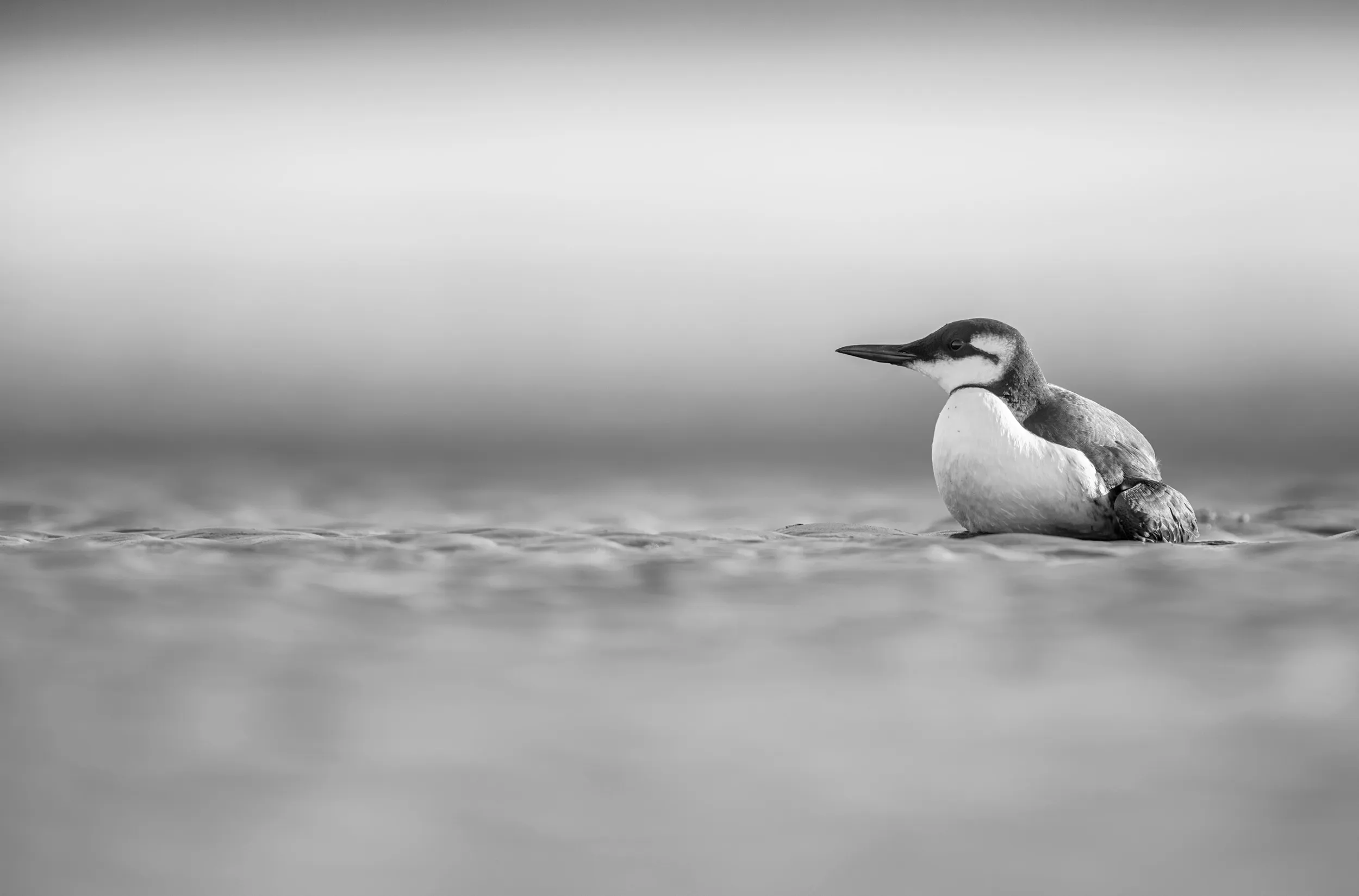
In short, we’re not the right people to get in touch with. The RSPB is a conservation charity, and we don’t have the expertise or facilities to rescue birds or to provide advice or help with the welfare of individual wild animals or pets. We also don’t have access to any non-public databases of wildlife or pet rescues.
Our area of expertise is protecting habitats, preserving and recovering species populations, connecting people to nature and helping fight the nature and climate emergency.
There are other organisations and charities which are much better suited to helping in different ways. See below.
Well, both help wildlife in equally important but very different ways.
Promoting good animal welfare involves ensuring the needs of individual animals are met, and that pain and suffering are avoided. Wildlife rescue and rehabilitation is just one aspect of the great work done by animal welfare organisations and is no easy feat. It requires animal hospitals and rehabilitation facilities, along with expert knowledge from experienced vets, animal care professionals and animal welfare scientists.
But wildlife doesn’t just need protecting from cruelty, sickness and injury. Everyday our wildlife faces threats such as habitat loss, pollution and climate change.
This is where nature conservation organisations come in. Nature conservation doesn’t focus on the individual animal. It protects the habitat that animals call home and identifies and addresses the threats our wildlife faces at a population level - helping to keep common species common and recover threatened species.
No one charity can or should do everything. While conservation and the promotion of good animal welfare are often complementary, different skill sets and infrastructures are involved. It’s in the best interests of wildlife that we stick to our strengths, and that you know who to contact for help and advice when wildlife needs you most.

Nestlings (baby birds without feathers) should not be out of the nest and will need help. Where possible they should be returned to their nest (make sure it’s the right one!), you can find further advice on the RSPCA website here.
But, if you ever find a garden bird fledgling (fully feathered baby bird) on the ground, if they’re not sick or injured they’re usually best left alone.
They intentionally leave the nest before they can fly, and their parents are usually nearby and still caring for them. Parents may even be waiting for people to leave before they return to their young. It’s normal for fledglings to be on the ground between a few days to a week or so whilst they finish growing their flight feathers.
During this time, please keep people and pets away, and leave the fledgling undisturbed and in the care of their parents. Remember that birds take far better care of their young than humans can. Taking baby birds into captivity can dramatically reduce their chances of long-term survival.
If they’re in a position of danger, fledglings can be moved to a nearby sheltered, safe place such as under a hedge. They still need to be within hearing range of where they were found, as parents often use calls to locate their young. Watch the fledglings from a distance until you have seen the parents find them.
Whilst this is the general rule for garden birds, it’s important to be aware that it doesn’t apply to all species of birds. For example, feathered Swift chicks/nestlings are often confused for garden bird fledglings but should not be out of the nest and if they are on the ground will need help. Please see the next section for advice on what to do for some commonly encountered species which are exceptions to the rule.
You can find advice covering when and how to help these species of baby birds on the RSPCA’s website:

It can be incredibly stressful for wild animals to be taken into captivity and in some circumstances, it may be in their best interest to leave them be. So, if you’re worried about an animal and you’re unsure what to do, we’d recommend contacting a wildlife rescue for advice before taking any action.
It’s often in the best interest of the animal to find help locally. This can be quicker and reduce the need for transportation which is stressful for wildlife. The RSPCA website details the best way to find local wildlife rescues here. This includes searching your address on directories such as www.helpwildlife.co.uk
Other organisations which may be able to help for certain species:
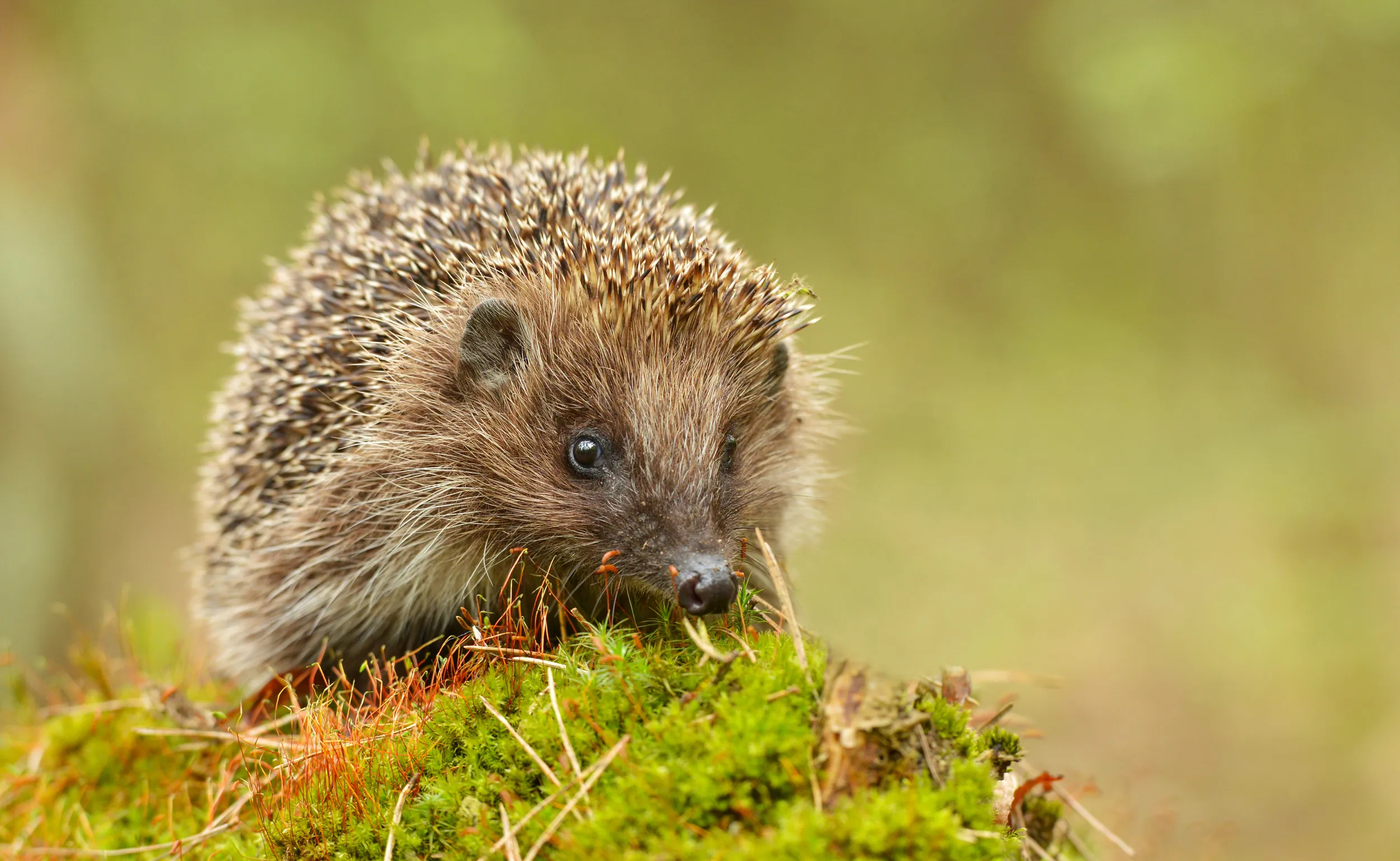
All vets should provide emergency first aid treatment to wildlife free of charge. Some vets may limit access to their buildings due to avian flu but should still be able to see birds outside. If the vet decides that the animal requires additional longer-term care in the form of rehabilitation, the animal can be transported to a local wildlife rescue.
If you cannot find help locally, or for more difficult cases such as those involving trapped wildlife or larger animals which may be difficult or dangerous for the public to handle, you can contact these national animal rescues for advice and to see if they can help:
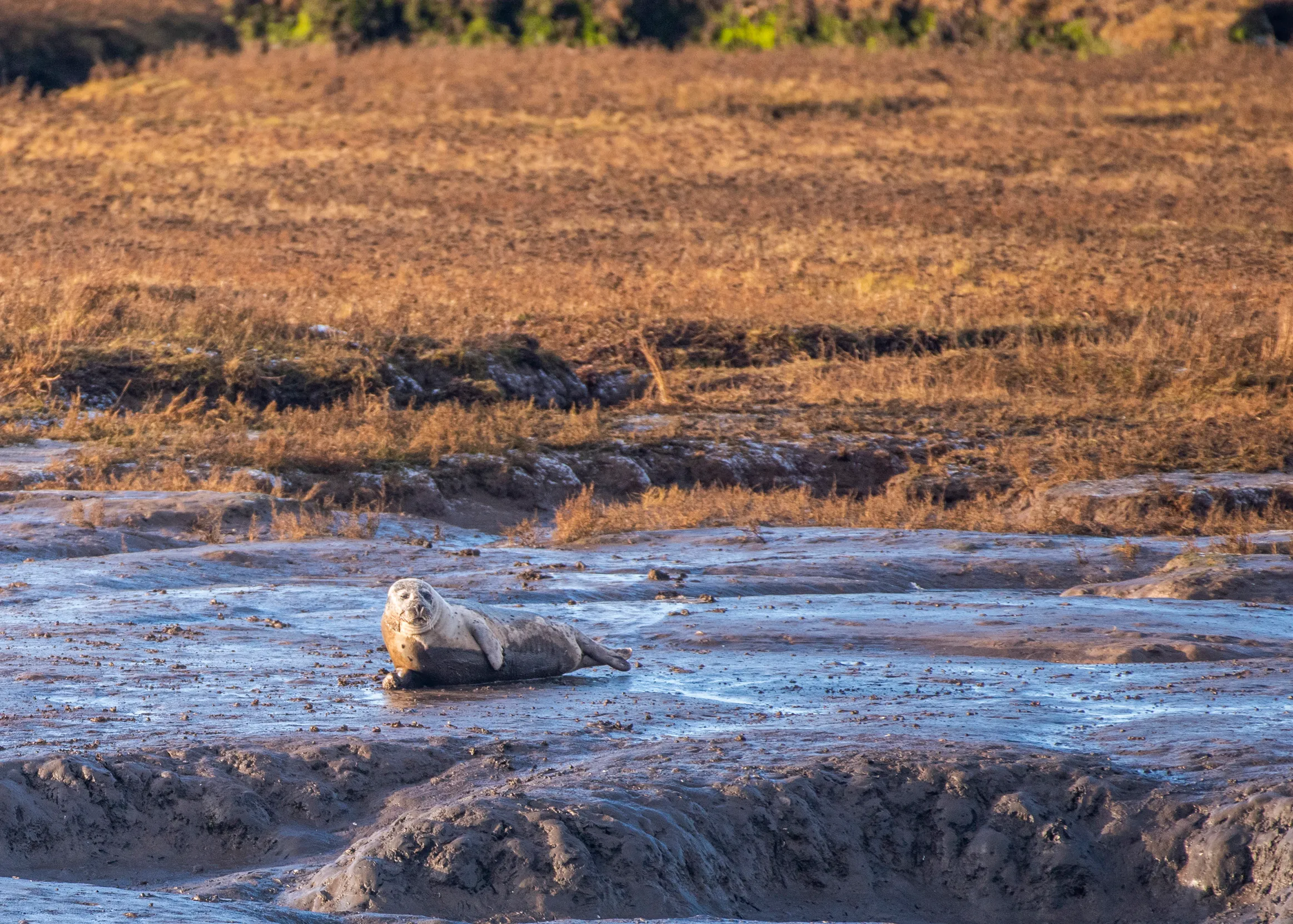
For oil spills you need to contact different organisations depending on where it is.
For coastal incidents:
For inland incidents:
If there are live oiled birds, please also report to:
Oil is particularly toxic to a bird if ingested, which easily happens when they try to preen off the oil. Please do not attempt to clean birds yourself, it requires specialist equipment and expertise.
If you’re concerned about a live animal on the road, here is who to contact:
For motorways or major 'A' roads:
These agencies can make arrangements to safely remove animals, including slowing down traffic and closing roads where necessary.
For minor roads:
If the animal is injured, please also report to:
For dead animals on roads:
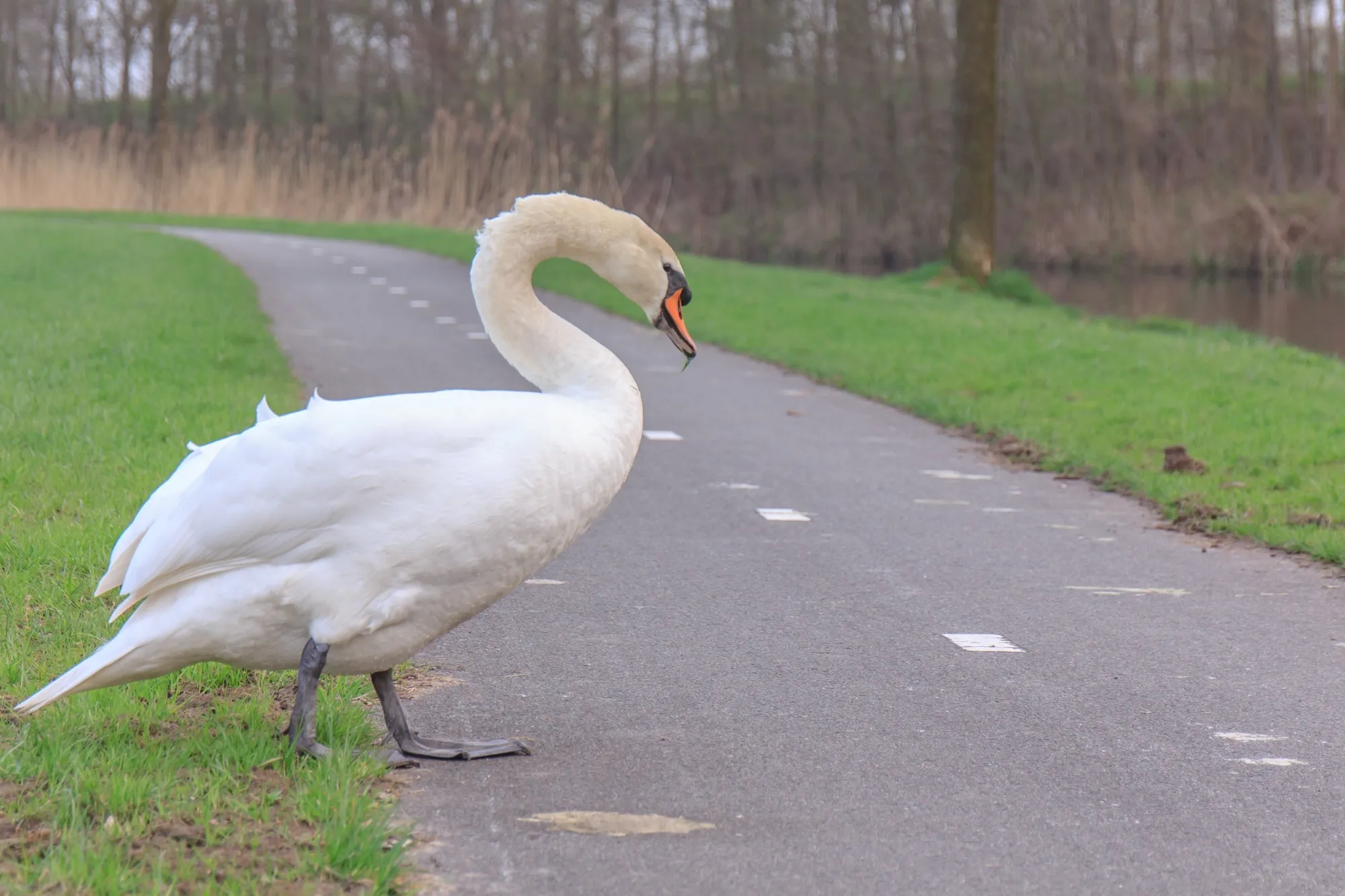
The RSPB does not have the expertise to help with pet bird matters. Here is who you can contact:
Concerned about the way a pet or other captive bird is being treated? You can contact these national animal rescues for advice:
Found a racing or fancy pigeon with a ring?
Lost or found a falconry bird?
Lost or found a pet bird?
Concerns about your own pet bird?
Pet parrots
These organisations may be able to help with husbandry advice, rehoming and rescue queries:

The latest advice on where and how to report sightings of sick or dead birds and mammals.
Flying into windows is a common problem, which can easily be solved with window stickers. Have a look at the RSPB shop for examples.