How to identify

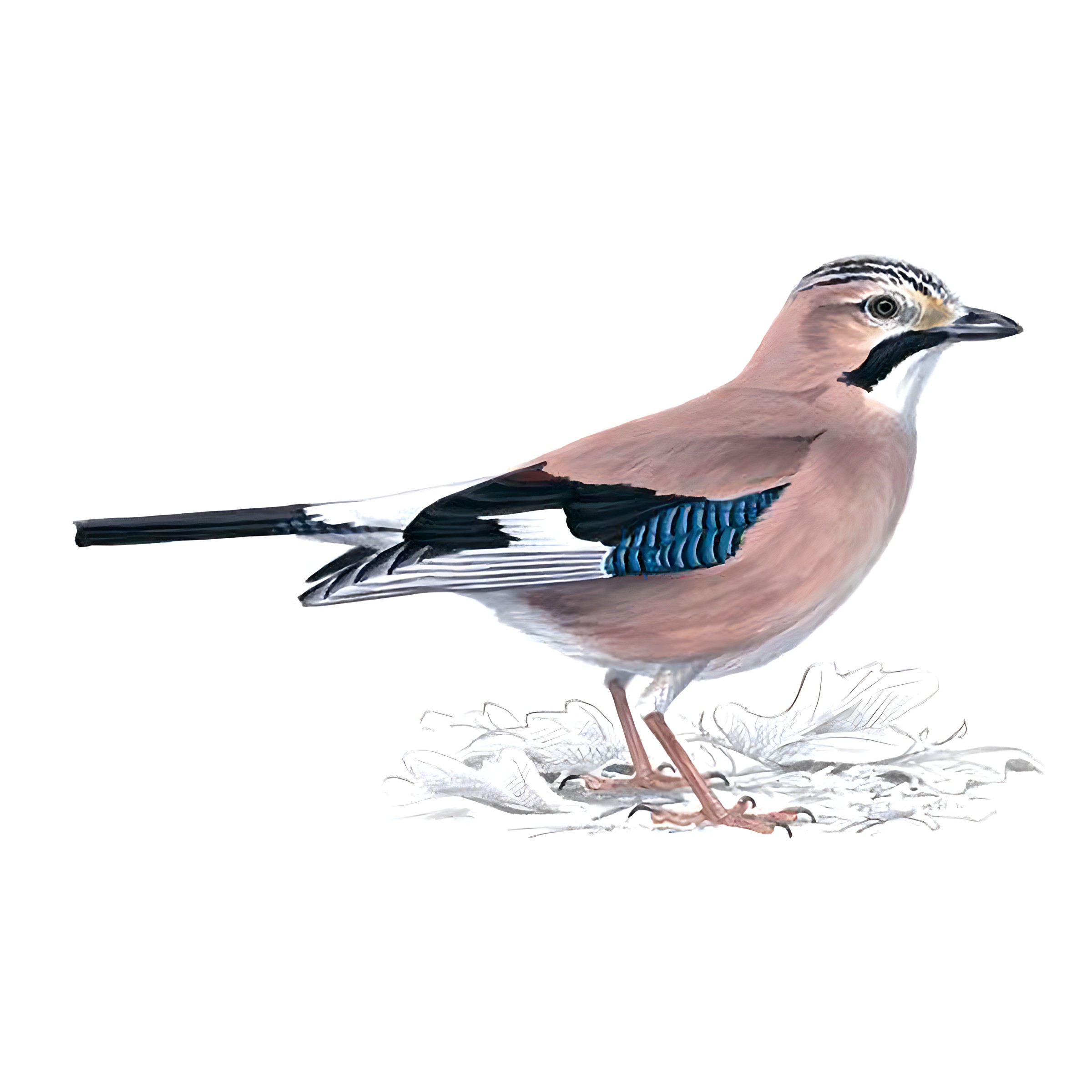
Although they're the most colourful members of the crow family, Jays are actually quite difficult to see. They are shy woodland birds, rarely moving far from cover. The screaming call usually lets you know a Jay is nearby and it is usually given when a bird is on the move, so watch for a bird flying between the trees with its distinctive flash of white on the rump. Jays are famous for their acorn feeding habits and in the autumn you may see them burying acorns for retrieving later in the winter.

Call

Jay

Niels Krabbe / xeno-canto

Key features to look out for

  • Medium sized (34-35cm). 
  • Pinky-brown plumage with a white rump and bright, blue-striped wing panel. 
  • Listen for their screechy scream 

Conservation Status

Jays are currently listed as green, the lowest level on the UK’s List of Conservation Concern. 

Where and when to see them

Difficulty rating - Medium

You can find Jays across most of the UK, except northern Scotland. They live in both deciduous and coniferous woodland, parks and mature gardens. They are often seen flying across a woodland glade giving a screeching call. Thanks to their love of acorns, Jays are often easier to see in autumn, when they may fly some distance in the open in search of oak trees.

Key

  1. Resident
  2. Passage
  3. Summer
  4. Winter
* This map is intended as a guide. It shows general distribution rather than detailed, localised populations.
UK distribution map for Jay
  1. Jan
  2. Feb
  3. Mar
  4. Apr
  5. May
  6. Jun
  7. Jul
  8. Aug
  9. Sep
  10. Oct
  11. Nov
  12. Dec
Jay, adult perched in tree
Jay
Wing Tips

Brilliant birds, month by month: what to see and where to go.

Key facts