How to identify

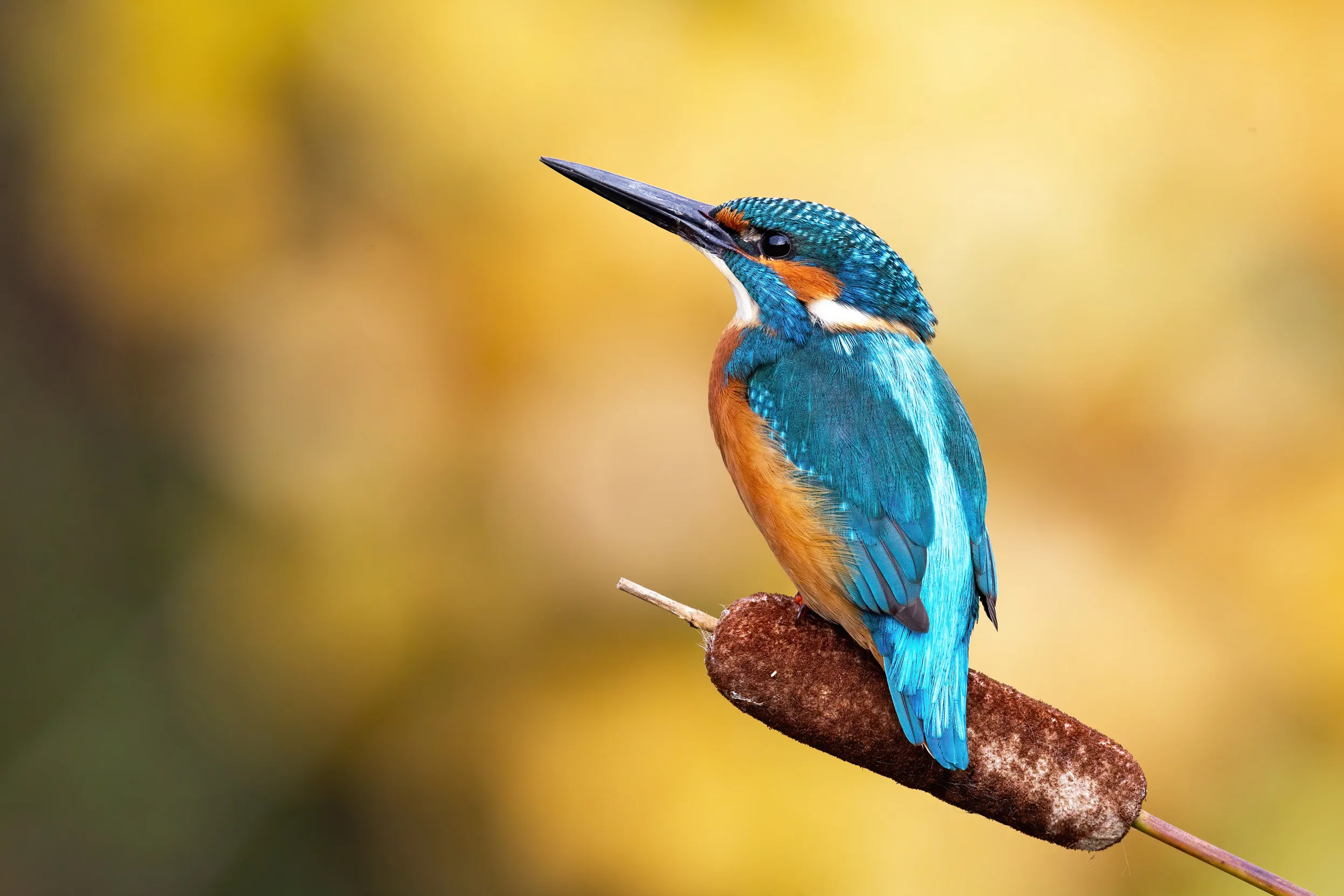
Kingfishers are small unmistakable bright blue and orange birds of slow-moving or still water. They fly rapidly, low over water, and hunt fish from riverside perches, occasionally hovering above the water's surface. They're vulnerable to hard winters and habitat degradation through pollution or poor management of watercourses. They are also listed as a Schedule 1 species under the Wildlife and Countryside Act, offering them additional protection.

Call

Kingfisher

Marco Dragonetti / xeno-canto

Key features to look out for

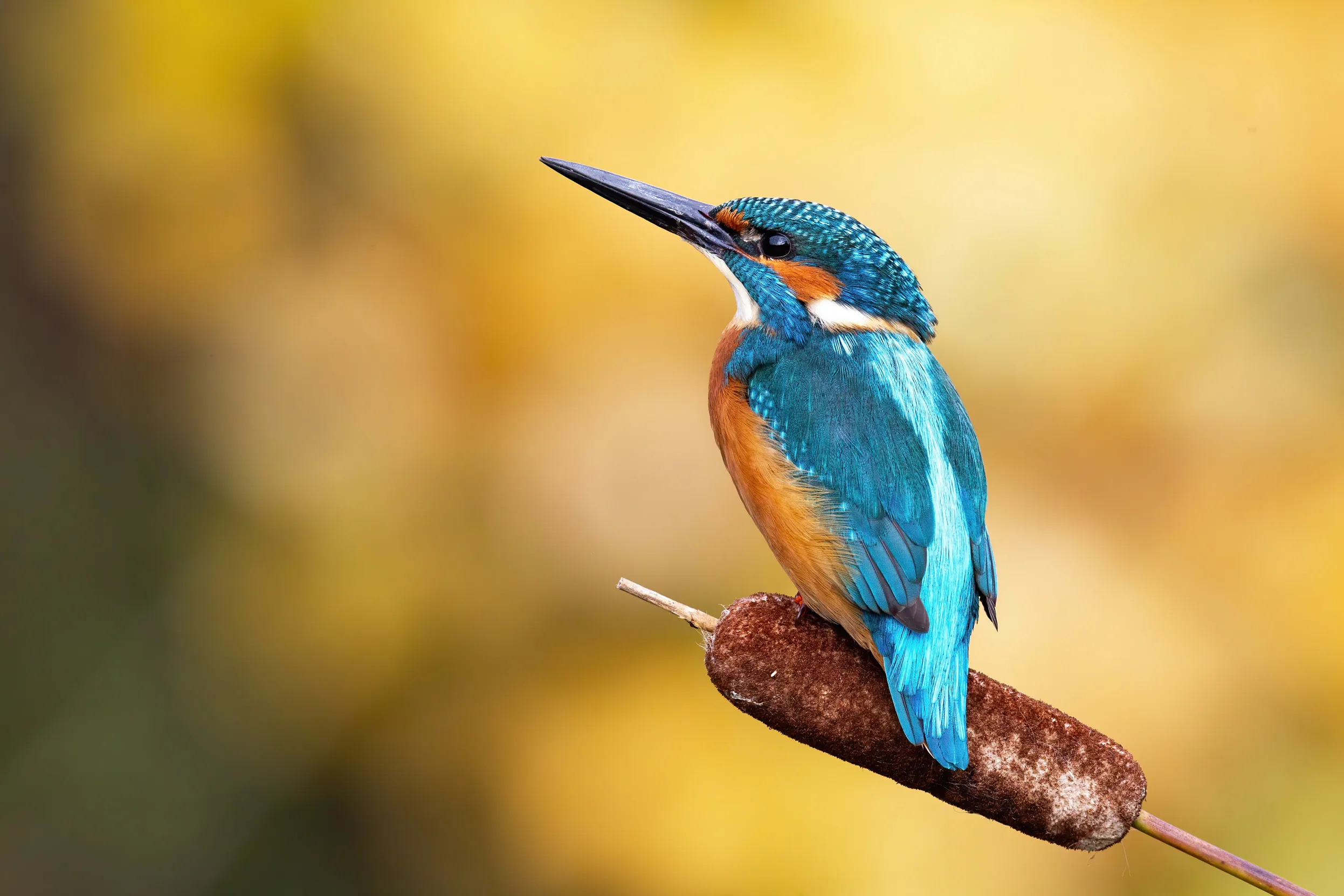
  • Azure blue head and back feathers. But, believe it or not, a Kingfisher’s feathers contain no blue pigment. They’re actually a dull brown colour – the bright blue we see comes from the way the tiny structures in the feathers scatter the light.
  • Bright orange cheek patch and belly.
  • Long, dagger-like beak. In males it’s completely black, but in females the bottom is orangey-pink – like she’s just applied a streak of lipstick. It’s the easiest way to tell the sexes apart.
Adult Kingfisher, perched in a tree overlooking a body of water.
Kingfisher
Did you know?

To help Kingfishers keep sight of their target as they hit the water, they have a transparent third eyelid that acts a bit like a pair of built-in swimming goggles!
Conservation status

Kingfishers are green-listed, which means they’re not of conservation concern.

Where and when to see them

Difficulty rating - Hard

You can find them on most rivers, canals and lakes across the UK, apart from in northern Scotland. Sometimes they’ll even visit garden ponds. They particularly like places where the water is clear or slow flowing, so that they can easily spot their next meal. 

If you want to see a Kingfisher, August is a great time to try. Young birds leave home in search of territories of their own, so there are more Kingfishers out and about than usual.

Key

  1. Resident
  2. Passage
  3. Summer
  4. Winter
* This map is intended as a guide. It shows general distribution rather than detailed, localised populations.
UK distribution map for Kingfisher
  1. Jan
  2. Feb
  3. Mar
  4. Apr
  5. May
  6. Jun
  7. Jul
  8. Aug
  9. Sep
  10. Oct
  11. Nov
  12. Dec

Where best to see them

Behaviour

Male Kingfishers are fiercely territorial when it comes to protecting their prized feeding grounds, and fights between rivals can escalate quickly.

RSPB Nature Breaks
Kingfisher, perched on branch
Kingfisher
Wing Tips

Brilliant birds, month by month: what to see and where to go.

Key facts