How to identify

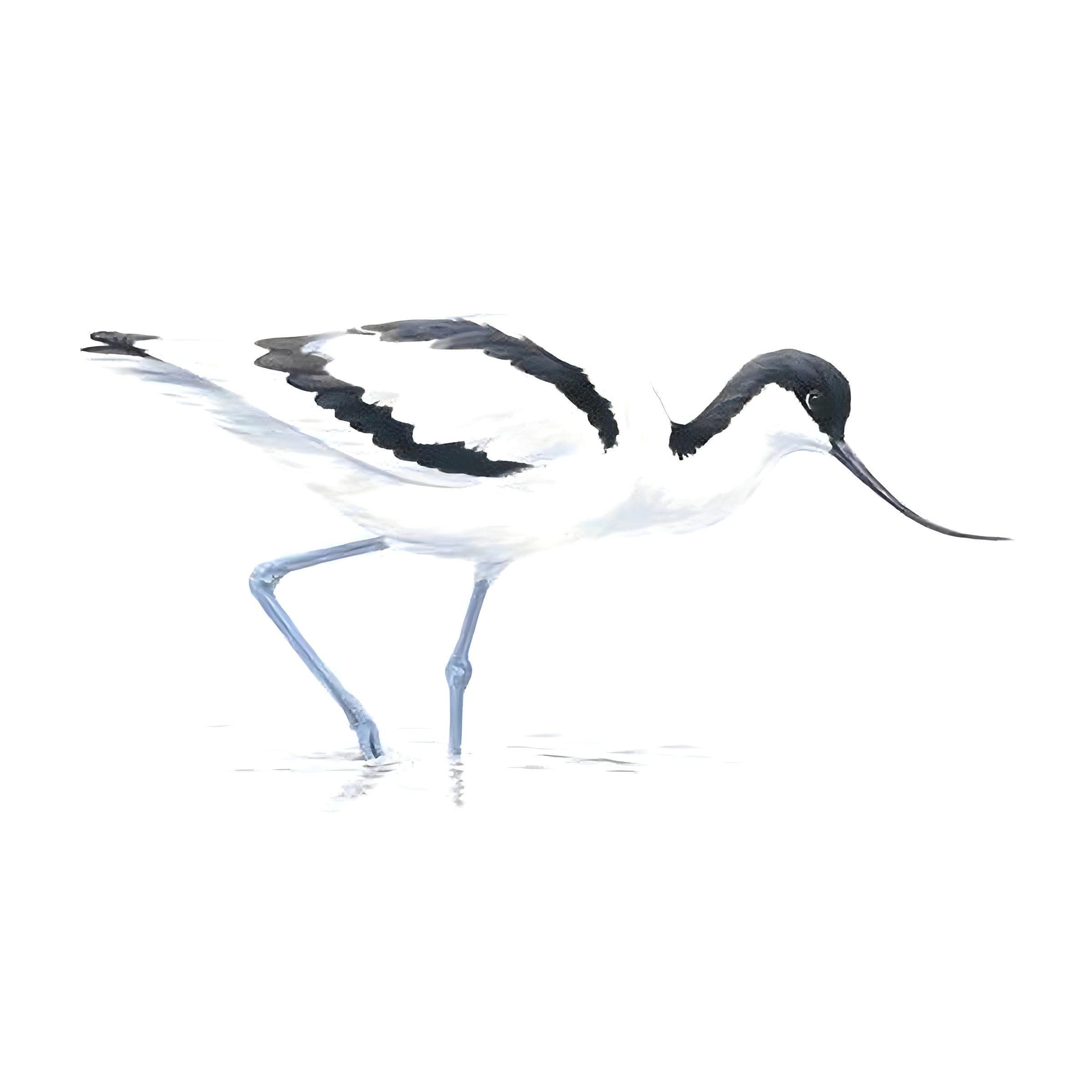
The Avocet is a distinctively-patterned black and white wader with a long up-curved beak. Avocets are protected by the Schedule 1, which makes it an offence to disturb them. It's also the emblem of the RSPB, and you'll see it in our logo. It symbolises the bird protection movement in the UK more than any other species. Its return in the 1940s and subsequent increase in numbers represents one of the most successful conservation and protection projects.

Call

Avocet

Marco Dragonetti / xeno-canto

Conservation status

The Avocet’s success has earned it a place on the Amber List of conservation concern – and pride of place on the RSPB’s logo.

Since recolonising in Suffolk in 1947 after previously being extinct as a breeding bird in the UK, they have spread north and west with intensive protection and help. But this species success depends on managed wetlands, with over half of the population breeding on RSPB reserves alone. By supporting the RSPB, you’re supporting the creation of essential wetland habitats for Avocets and other wading birds to breed. This is a critical conservation intervention as nesting sites are increasingly threatened with coastal flooding.

Where and when to see them

Difficulty rating - Moderate

Look for Avocets in coastal lagoons on the east coast in summer, and the Exe estuary come winter. 

Key

  1. Resident
  2. Passage
  3. Summer
  4. Winter
* This map is intended as a guide. It shows general distribution rather than detailed, localised populations.
  1. Jan
  2. Feb
  3. Mar
  4. Apr
  5. May
  6. Jun
  7. Jul
  8. Aug
  9. Sep
  10. Oct
  11. Nov
  12. Dec

Where best to see them

Behaviour

An Avocet’s distinct pied plumage, slender blue-hued legs and upturned bill makes it one of the most elegant birds on our shores. Seemingly undeterred by watching eyes, they’ll comfortably nest near to nature reserve hides, making them a favoured model for both new photographers and seasoned professionals alike.

Nesting

In February, Avocets begin to arrive on their breeding grounds – typically an area of lagoons on a coastal marsh. Their eggs begin to hatch in May. The chicks are precocial which means they’re covered in downy feathers and begin to take shaky steps almost immediately. 

Avocets on mud
Avocets
Birds of the month

Head outside and discover fascinating birds each month. Read on for top ID tips, what to listen for, and where to see them.

Key facts