
Did you know?
More than 60 Wrens were once found snuggled up together in a nest box to keep warm!



More than 60 Wrens were once found snuggled up together in a nest box to keep warm!
Wrens are listed as Amber on the UK list of Birds of Conservation Concern. This means there is an increasing concern for the species, which can suffer declines following cold winters.
Despite being the UK’s commonest breeding birds, Wrens can be surprisingly difficult to see, because of their tiny size and habit of hiding away in vegetation. They live in most habitats across the UK, including mature gardens, woodlands and farmland.

Wrens are always on the move, flitting about in the undergrowth, in rocky crevices and in trees, as they search for insects. They also eat seeds and berries, particularly in winter when insects are harder to find, and sometimes make the most of crumbs that have fallen from bird feeders. You might see one singing from an elevated perch.
For such little birds, Wrens have an incredibly loud voice! Their song is a succession of high-pitched whistles, ending with a trill. Their call is a loud ‘tic-tic-tic’.
All year round, dawn-til dusk-vocalist – but best heard in the breeding season between March and May.
You’ll often hear a Wren before you see one. They keep a low profile, flitting through thick undergrowth at the bottom of our bushes and hedges. They’re one of the UK’s most common breeding birds, and you can hear them almost anywhere.
Male Wrens are extremely hard workers when it comes to the pursuit of a partner. Males build several different nests in the nooks and crannies of trees, climbers, walls and banks. A female will inspect the various nest options before choosing one and lining it with feathers. She will lay five or six eggs on average. The male's extra efforts don’t go to waste, as he will often raise multiple broods with multiple partners!

Have you seen a small, brown bird in your garden and you’re not sure what it is? There are lots of potential contenders, so take a look at these ID tips to help you to work out the identity of your mystery bird.
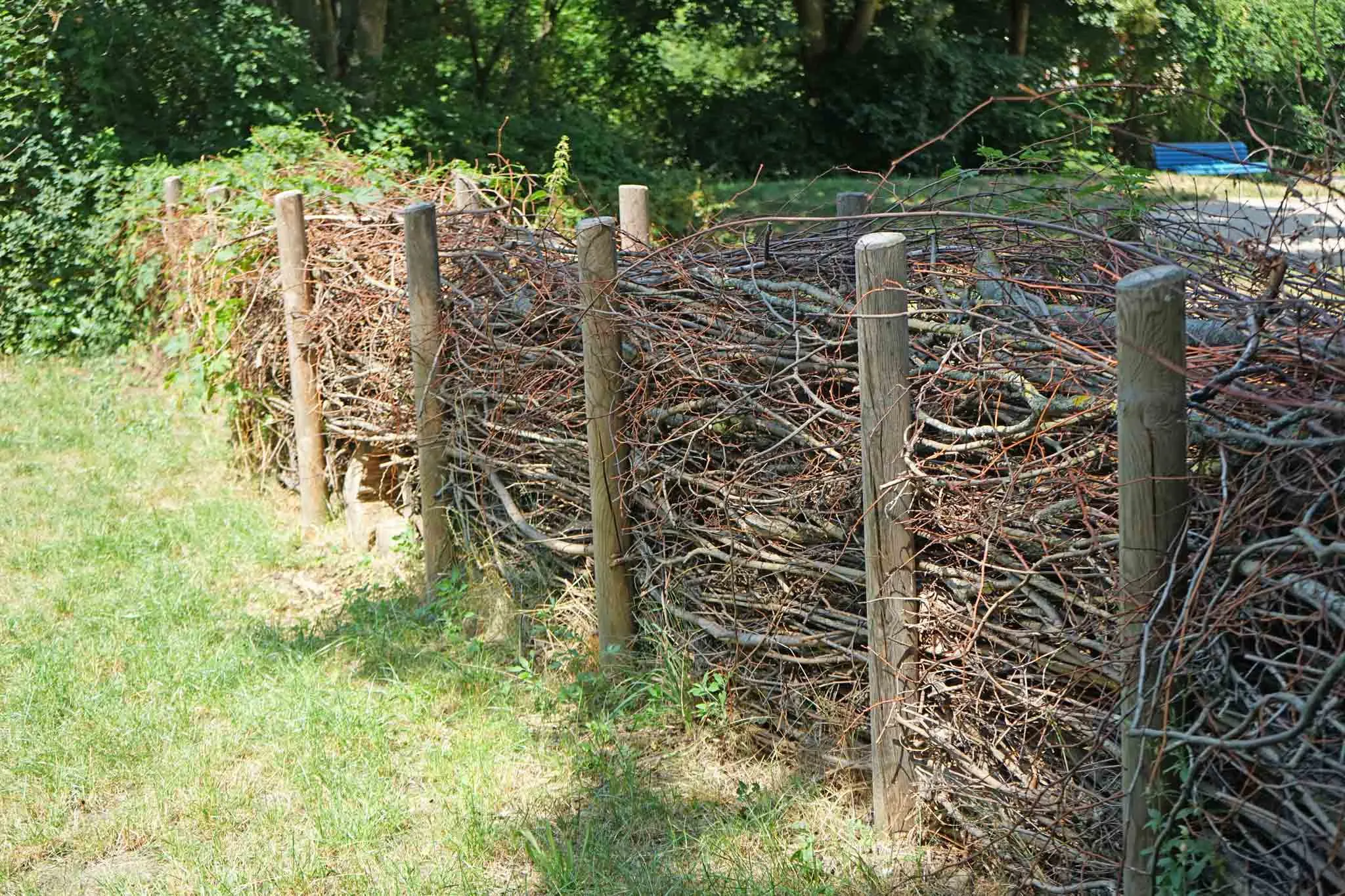
It might sound like an oxymoron, but a dead hedge is a wonderful habitat that’s full of life. Dead hedges provide hiding places and nesting habitats for all sorts of creatures, as well as food for insects.
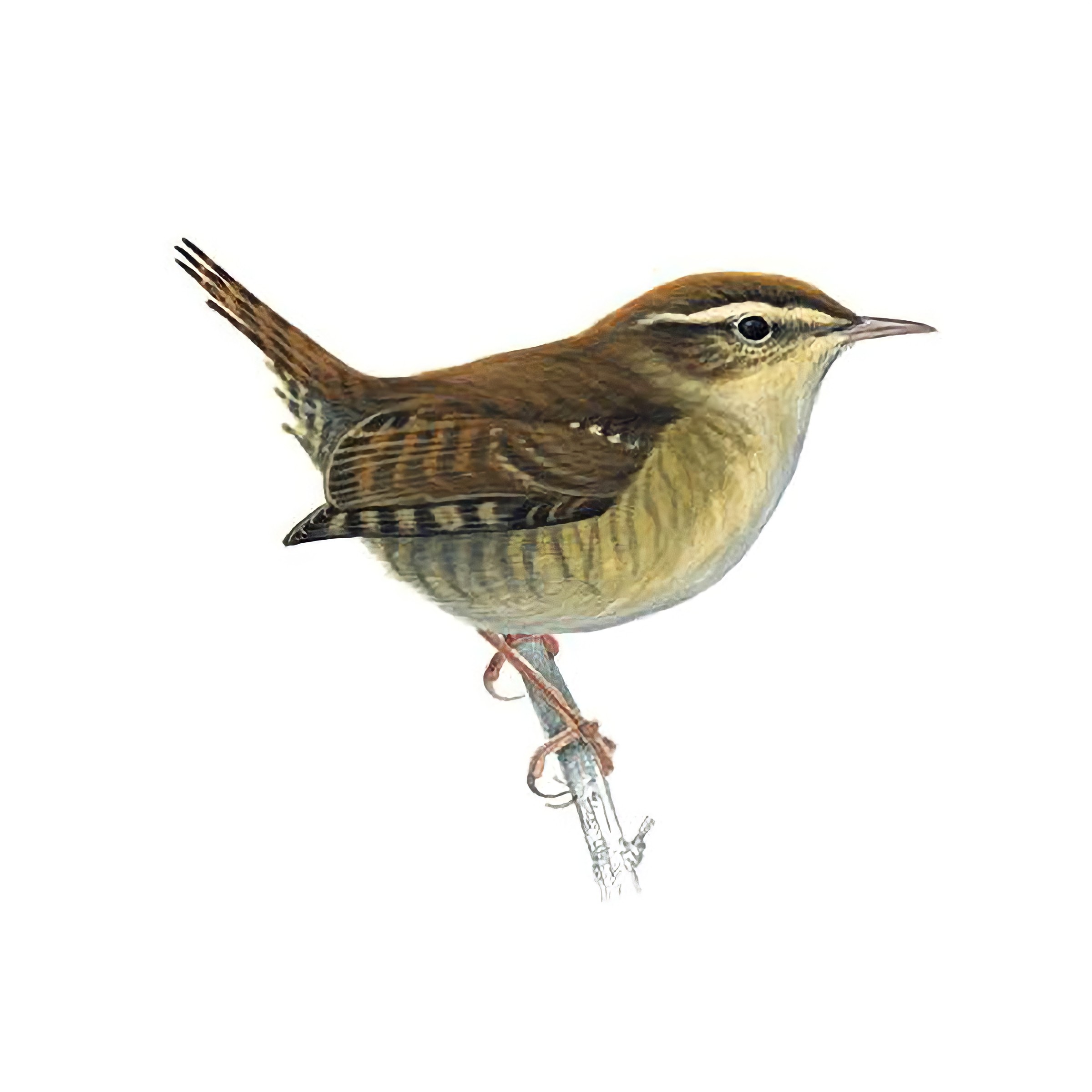
Wrens are tiny, round-bodied brown birds with a short, upright tail and fine, slightly curved bill and pale eyebrow stripe. Its loud, rattling song is another useful clue as they often remain quite hidden.
Wrens mainly eat insects and spiders, including beetles, caterpillars and flies.
Wrens nest in dense vegetation, holes, banks, sheds and nest boxes, often choosing a sheltered spot.
Wrens usually nest from April to July and can raise more than one brood each year.
Wrens usually live for around two years, although some can live for several years.
Most UK Wrens stay here all year, although some birds from colder parts of Europe move south for winter.
Wrens are resident in the UK, so they can be seen throughout the year.
Most Wrens stay in the UK all year, although some migrate south during winter.
No. Wrens are common and widespread across the UK, from gardens and parks to woodland and farmland.